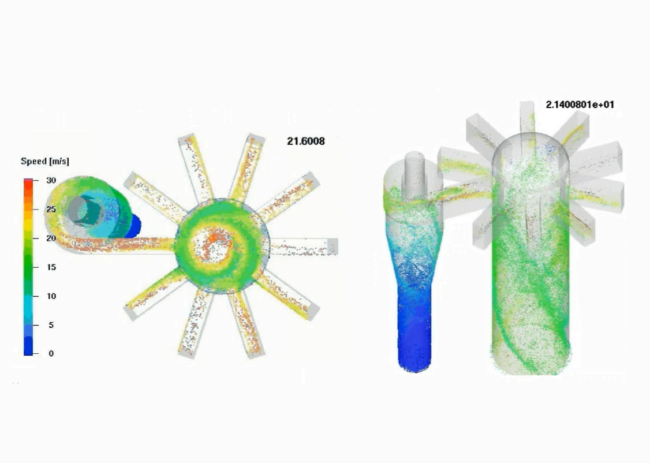
Using Barracuda Virtual Reactor® Simulation to Improve FCCU Process Performance
This presentation by Peter Blaser outlines key processes simulated by Barracuda Virtual Reactor, enabling operators to get a virtual “look inside” their FCCU.

This presentation by Peter Blaser outlines key processes simulated by Barracuda Virtual Reactor, enabling operators to get a virtual “look inside” their FCCU.
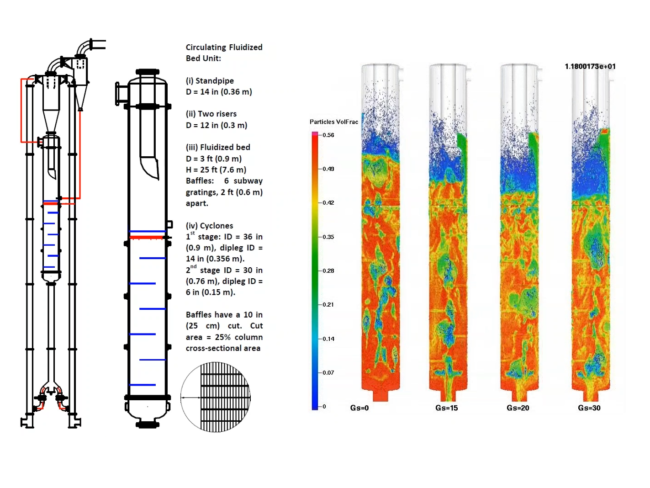
This presentation by Sam Clark discusses how numerical simulations of a PSRI cold-flow FCC stripper experiment with subway grating baffles were performed using the Virtual Reactor Simulation and compares the results with measurements from PSRI’s Research Report No.88.
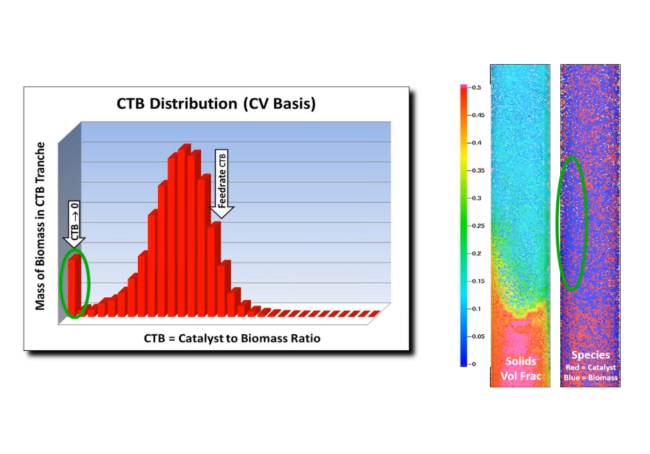
This presentation by Dr. Bruce Adkins and Dr. Neeti Kapur discusses how Inaeris Technologies’ pilot-scale cold flow unit was used to calibrate the Virtual Reactor model development for both catalyst-only and catalyst-biomass co-feed operation.
Update – April 24, 2018 This version of Barracuda Virtual Reactor is no longer available for download. For the latest version of Virtual Reactor™, please visit the Dashboard. If you…
Update – April 9, 2018 This version of Barracuda Virtual Reactor is no longer available for download. For the latest version of Virtual Reactor™, please visit the Dashboard. If you still require…
Update – March 4, 2015: Barracuda VR 16.0.5 has been replaced by Barracuda VR 16.0.6 on September 30, 2014, and is no longer available for download. If you still require…
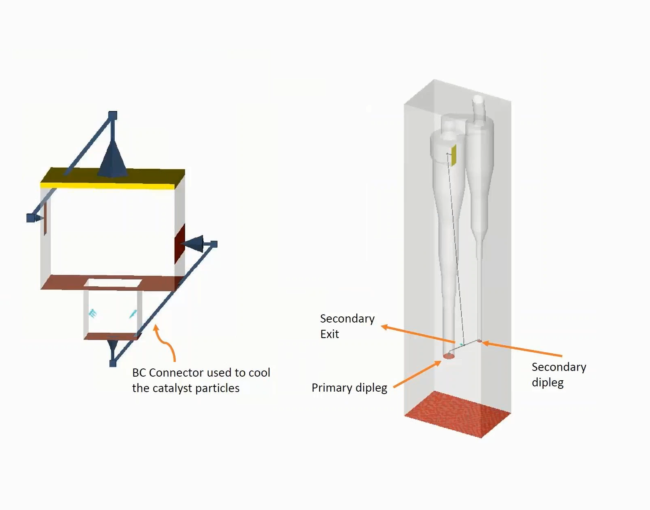
This presentation by Rosemary Clark highlights the new features and capabilities of the 17.2 version of the Virtual Reactor.
Barracuda VR 16.0.2 for Linux 64-bit is available for download from CPFD Software. A Windows version of Series 16 will follow upon completion of testing. Barracuda VR 16.0.2 is the…
Update – April 24, 2018 This version of Barracuda Virtual Reactor is no longer available for download. For the latest version of Virtual Reactor™, please visit the Dashboard. If you still…
Barracuda VR 16.0.1-GPU for Linux 64-bit has been released. Barracuda VR 16.0.1-GPU is a maintenance release with corrections and bug fixes to the 16.0-GPU release that included new features, such…