Fondrémy Optimizes Core Production with Arena-flow Simulation
Fondrémy Inc., in collaboration with LAEMPE REICH, used Arena-flow to improve casting quality and reduce tooling costs for a complex water pump housing.

Fondrémy Inc., in collaboration with LAEMPE REICH, used Arena-flow to improve casting quality and reduce tooling costs for a complex water pump housing.
Fondrémy Inc., in collaboration with LAEMPE REICH, used Arena-flow to improve casting quality and reduce tooling costs for a complex water pump housing. By simulating sand core shooting and gassing, the team minimized prototyping, accelerated production, and transitioned to a high-yield, vertically poured molding process.
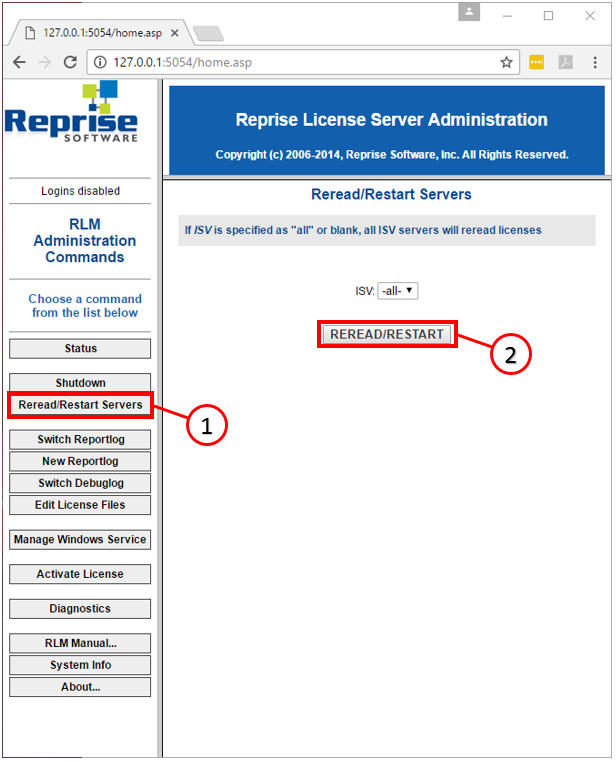
This page contains instructions for pointing clients to an on-premise RLM server. The process is the same for both Barracuda Virtual Reactor and Arena-flow. The instructions below assume that you have already…

Get ready for a showcase of cutting-edge metalcasting technology, manufacturing innovations, and business insights at the DeVos Place Convention Center in Grand Rapids from April 14 – 16, 2026. Elevate…
Get ready for a showcase of cutting-edge metalcasting technology, manufacturing innovations, and business insights at the DeVos Place Convention Center in Grand Rapids from April 14 – 16, 2026. Elevate…

The 2025 AIChE® Annual Meeting unites academic and industry researchers at all career stages seeking innovation and professional development. Connect with a diverse audience to gain insights on the latest…
CPFD Software’s Quarterly Newsletter for Q2 2025
Learn how solid feed gasification enables the large-scale conversion of biomass and municipal solid waste into renewable fuels and chemicals, supporting decarbonization goals.
Known Issues main page Barracuda Virtual Reactor 25.0.1 Issues fixed in this version: KI-199: Conduction temperature issue in small cut cells Issues affecting this version: KI-198: Chemistry ramp does not…
CPFD Software is pleased to welcome Keshav Ramchandran to the team as a CFD Engineer. Keshav previously interned with CPFD, and we’re excited to have him return in a full-time role.